Looking for car wreckers in Brisbane? QLD Cash For Cars is your fast, licensed, and hassle-free solution for turning unwanted vehicles into instant cash anywhere in Brisbane and surrounding suburbs. Whether your car is damaged, old, written-off, unregistered, or no longer running, we pay top dollar and remove it the same day at no extra cost.
Quality Used Auto Parts in Brisbane at Affordable Prices
Are you searching for affordable & quality used auto parts for your vehicle? Our Brisbane car wreckers offer a wide range of high-quality used auto parts at competitive prices. Each part is carefully inspected and tested to ensure it meets our stringent quality standards. Whether you need an engine, transmission, or smaller components like mirrors and headlights, we have you covered. By choosing used parts, you not only save money but also contribute to environmental sustainability by reducing waste and promoting recycling. Visit us to find the parts you need and get your vehicle back on the road quickly and affordably.
Know How Our Car Wrecking Process Work in Brisbane
Free & Instant Quote
Call 07 3082 6497 or Email us. Provide us with the information on your car. It really does not matter what type, wrecked, damaged or Running
Accept Offer
Our expert appraisers will go through the details. We calculate every part of your car that could be salvaged offering you the unmatched top cash offer.
Quick & Easy Service
Once you agree to the quoted price, our tow truck driver comes to the assigned address for towing Brisbane. As the next step, our company will pick up your vehicle and pay you cash on the spot.
We Buy All Makes and Models At Our Car Wrecking Company
At QLD cash for cars, we accept all types of vehicles, including cars, trucks, vans, SUVs, and 4WDs. No matter the make, model, or condition, we provide top cash offers and a seamless wrecking process for every vehicle. We also supply quality tested used auto parts at competitive prices. From engines and transmissions to panels and mechanical components, our Brisbane wrecking yard stocks a wide range of parts to suit various makes and models.
Benefits of Auto Dismantling & The Process Explained
Auto dismantling offers numerous benefits, from recycling valuable materials to safely disposing of hazardous substances. The process starts with an initial inspection, followed by the safe removal of fluids and hazardous materials. Usable parts are then carefully extracted, cleaned, and tested before being made available for resale. The remaining vehicle shell is crushed and sent for recycling, where the metal is repurposed for new manufacturing. This process not only helps the environment by reducing waste but also provides affordable parts for other vehicle owners. By choosing auto dismantling, you support a greener and more sustainable future.
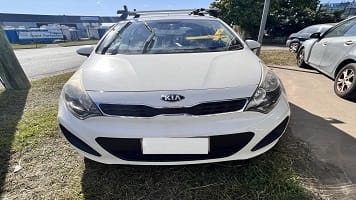
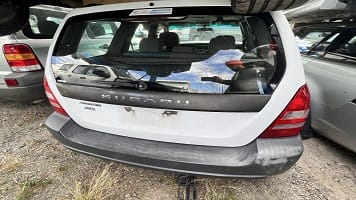
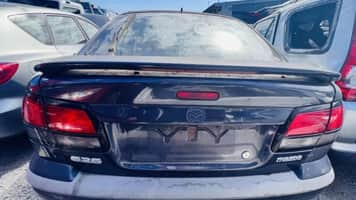
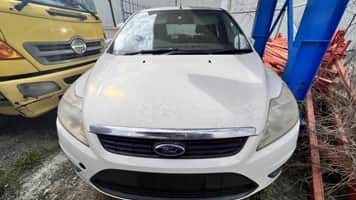
Recent Purchases
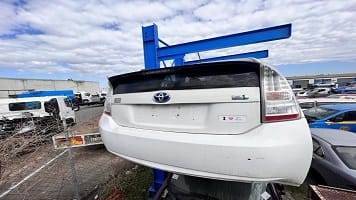
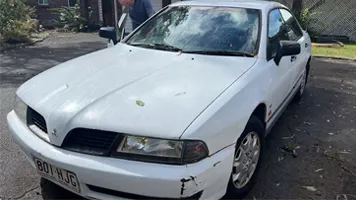
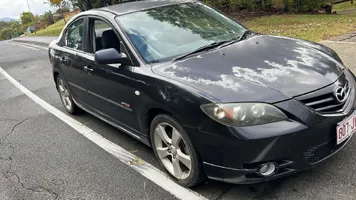
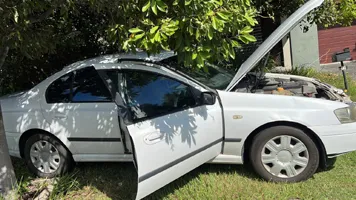
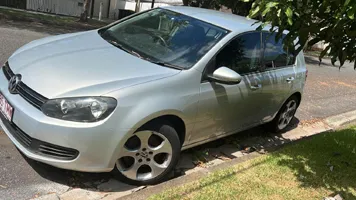
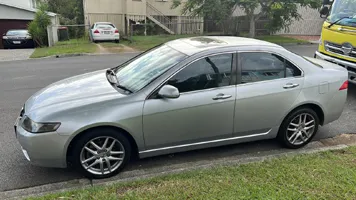
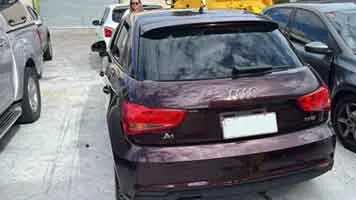
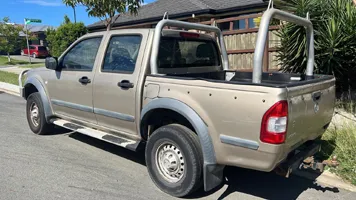
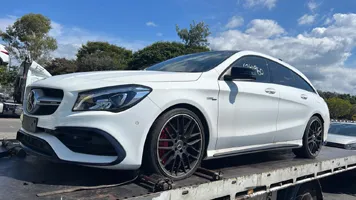
We buy so many vehicles on daily basis. Check out some of the vehicles that we have purchased recently and get an idea of your car price.
The company is a well-established, licensed firm in South Brisbane. We have heaps of satisfied customers who already have joined us. Our online reviews give you an idea of our positive behavior from customers. We make it simple for sellers to pay for ads, schedule inconvenient inspections, irritating with repairs. We make it easy to sell your car for cash, truck, SUV, Van, Bus, and Jeep. Our car buyers team always works for you to cooperate for free junk car removals with the help of easy documentation, and guaranteed top payout within the same-day payment. We are here to help and remove it in no time.
Buy Any Condition
We deal with all makes and models. As per the top purchases of Toyota, Nissan, Holden, Honda, Isuzu, Mazda, Mitsubishi, Jeep, Suzuki, and others registered from 2000 and newer as well. We love to pay cash for junk cars in any condition: secondhand or damaged, running or not.
Super Fast and Quick
The process doesn’t take a long time if the customer is ready to sell their vehicle. Once we get the confirmation from clients to tow their car, our team instantly reaches their location as per the scheduled time. The closest places we pick up the same day and also within a few hours.
Anywhere in Qld
We cover more than 250 suburbs in Queensland including Eastern, Western, Southern, Northern along with Brisbane city center, and can tow your car from your home. Despite these countries, we service Ipswich, Gold Coast, Sunshine Coast, and Springfield, Call Us Today.
No administration fees
We have a different business scenario than why we do not charge any extra admin fee or towing when you deal with us for any vehicle. Get a stress-free quote online for a vehicle with us.
Simple and Easy
Your Qld Cash for cars agent guides you everything from call to pay. It is a natural process whether dealing with the requestor sending the vehicle details to us for a quote. The online form will help you by making an offer on your mobile phone. You can ask any question related to the car deals they will answer you.
No upper price limit
Since we don’t prefer to go for car Auction, Selling and Buying vehicles. Additionally, our prices are competitive as per the market; always try to get more than 10% from others. The range of scrap cars starts from $199 to $19,999.
Contact us now to find out how much your car is worth.
Trustindex verifies that the original source of the review is Google.
Gugu
Great quick job, delivered what they promised
Well done
Posted on Google
Dylan Ferrier
Trustindex verifies that the original source of the review is Google.
Prompt, and fair. Gugu was honest and reasonable.
Posted on Google
Darren Kennedy
Trustindex verifies that the original source of the review is Google.
Jatinder Singh gave me a very good deal with my broken down Holden Astra. He came as promised and paid me the amount he quoted right there and then. Great service.
Posted on Google
Saqib Zubair
Trustindex verifies that the original source of the review is Google.
Very economical prices. Staff and management is amazing.
Posted on Google
Mahdi Rasouli
Trustindex verifies that the original source of the review is Google.
Best place to sell your vehicle, just sold my Toyota kluger here
Posted on Google
Jatinder Singh
Trustindex verifies that the original source of the review is Google.
best to place to sell your car
thank you for the business
Posted on Google
Janmejay Rathore
Trustindex verifies that the original source of the review is Google.
Super quick turnaround, same day pick up. What more could you ask for? Process was very simple and straightforward. They’ve removed all of the hurdles and get the job done professionally and quickly.
Posted on Google
1zone carcare
Trustindex verifies that the original source of the review is Google.